
Care Guide: How to Store, Clean, and Protect Limited-Edition Streetwear and Sneakers
Learn how to clean, store, and protect limited-edition streetwear and sneakers to preserve condition, style, and resale value.
Care Guide: How to Store, Clean, and Protect Limited-Edition Streetwear and Sneakers
Limited-edition pieces are a different game from everyday basics. Whether you’re holding a grail hoodie, a rare graphic tee, or a pair of deadstock sneakers, the goal is the same: preserve condition without killing the look, feel, or resale value. That means understanding fabric behavior, sneaker materials, and storage environments the same way a collector understands drop calendars and market demand. If you’re buying from a streetwear marketplace or a trusted buyer’s checklist for marketplace trust, you already know condition is part of the value equation. The cleaner and better maintained your piece, the more options you have later—whether you keep it, trade it, or flip it.
This guide breaks down the full system: washing, stain removal, sneaker rotation, climate control, packaging, and quick repairs. It also covers what not to do, because most damage in streetwear care is self-inflicted through overwashing, heat, friction, sunlight, and bad storage habits. If you care about streetwear resale value, you need a maintenance process, not just a laundry routine. And if you’re building a wardrobe from top streetwear brands or exploring how to style streetwear around your favorite pieces, taking care of them is what keeps them wearable and market-ready for years.
1. Why Maintenance Matters for Limited-Edition Streetwear
Resale value starts with first impressions
Condition is one of the first things buyers judge, especially in the world of limited edition streetwear. A tee with faded print, stretched collar, or deodorant staining immediately drops in desirability, even if the print is rare. The same rule applies to sneakers: yellowed midsoles, creased toe boxes, and dirty outsoles tell a story that often lowers the final offer. In the resale market, “worn once” and “carefully stored” can mean hundreds of dollars of difference, depending on the label and size.
Damage compounds faster than most people think
Streetwear ages in layers. Sweat breaks down fibers, UV light fades color, humidity affects adhesives, and friction slowly changes the shape of both garments and sneakers. You might not notice a problem after one wear, but after twenty wears without a plan, the damage becomes visible and much harder to reverse. That’s why collectors treat care like an investment strategy, not a chore. The best maintenance routines are boring, consistent, and protective.
Collectors and casual buyers want the same thing: clean condition
Even if you’re not planning to resell, preservation still matters because better condition means better rotation options and longer life. A well-kept hoodie drapes better, a properly stored cap keeps its shape, and sneakers that are cleaned regularly look sharper with everything from denim to cargos. If you’re shopping inspiration from a styling guide or comparing pieces across urban wardrobes, you’ll notice the best fits usually come from garments that still hold their original structure. Care is style insurance.
2. Build a Care Kit Before You Need It
The basics every streetwear owner should have
You do not need a giant closet full of specialty products to do this right. A good care kit usually starts with a gentle detergent, a soft brush, a microfiber cloth, a stain remover safe for colored fabrics, a sneaker cleaner, and a laundry bag for delicate items. Add cedar blocks or silica packs for storage, plus shoe trees for leather sneakers and tissue paper for hats or fragile garments. For deep dusting around your shelves and sneaker boxes, a portable air tool can help, and the logic is similar to the efficiency behind a cordless electric air duster that replaces throwaway canned air.
Choose gentle over aggressive
A lot of clothing damage comes from “stronger must be better” thinking. In reality, harsh stain removers, high heat, and aggressive scrubbing can strip dye, weaken print, or make fabric pill. If you’re cleaning graphic tees, embroidered hoodies, or technical outerwear from modern technical apparel brands, always start with the mildest effective product. You can repeat a gentle treatment, but you can’t undo bleach spots or melted prints.
Make the kit accessible
The best care routine is the one you’ll actually use. Keep the core tools in a labeled bin, under-bed drawer, or closet shelf so spot treatment happens immediately after a spill, not three days later. The faster you respond, the more likely the piece survives with no permanent mark. This also reduces the temptation to toss everything into a wash cycle that’s too hot, too long, or too rough for the item.
3. Washing Streetwear the Right Way
Read fabric, label, and print type first
Before anything goes into the machine, inspect the care label and identify what makes the item special. Cotton tees, heavyweight fleece, nylon shells, and blended fabrics all behave differently, and screen prints, puff prints, embroidery, and appliqué each have unique risks. Turn items inside out to reduce abrasion, and wash on cold with a gentle cycle when possible. If the garment is rare, highly structured, or heavily embellished, hand washing is usually the safer choice.
How to wash hoodies, tees, and sweats
For hoodies and sweatpants, use cold water and a mild detergent, then avoid overloading the washer so the fabric can move freely. Heavy agitation causes pilling, print wear, and distortion around cuffs and hems. For graphic tees, especially those tied to hype drops or collectors’ items, wash with similar colors and skip fabric softener if it can affect the print or reduce absorbency. If you’re trying to compare what matters in premium apparel vs everyday wear, the same mindset you’d use in a membership comparison guide applies here: know exactly what you’re paying for, then protect it accordingly.
When hand washing is worth the extra effort
Hand washing is ideal for older pieces, delicate knits, vintage graphics, and anything with specialty dyes that might bleed. Fill a basin with cool water, add a small amount of detergent, and move the item gently through the water instead of rubbing aggressively. Rinse thoroughly, then press water out with a clean towel rather than wringing. Wringing twists fibers and can stretch collars, cuffs, and seams in a way that’s very hard to reverse.
Pro tip: If a tee or hoodie is rare enough that you’d be disappointed to see a slight fade, test a hidden seam or inside hem first. That tiny check is the clothing equivalent of stress-testing a business process before scaling it, similar to a clean integration strategy that prevents bigger problems later.
4. Spot Treatment and Stain Removal Without the Panic
Move fast, but don’t scrub blindly
For food, makeup, dirt, or beverage marks, blot first and treat second. Scrubbing can push the stain deeper into fibers and spread it outward. Use a clean cloth, cold water, and a targeted stain remover that’s safe for the fabric type and color. For oil-based marks, a small amount of absorbent powder or a fabric-safe degreasing product may help before laundering. For protein stains like sweat or blood, cold water is crucial because heat can set the stain permanently.
Protect prints, patches, and embroidery
Many limited-run pieces include delicate decoration that can react badly to strong chemicals. Avoid chlorine bleach, and be careful with peroxide-heavy products on dark or saturated fabrics. If the stain sits near a print, dab around it instead of saturating the graphic itself. The rule is simple: treat the stain, not the whole piece, unless the whole garment truly needs a full wash.
Use a staged approach for stubborn marks
If a mark remains after the first treatment, repeat a gentle process rather than escalating to a harsh one. Letting a product dwell for the recommended time often works better than scrubbing harder. This is especially true for older cotton tees, suede sneakers, and mixed-material jackets. When in doubt, dry the piece completely and reassess before the next step. Quick impulsive fixes are how collectors turn manageable stains into permanent damage.
5. Sneaker Care: Clean, Protect, and Rotate
Daily upkeep prevents the big clean
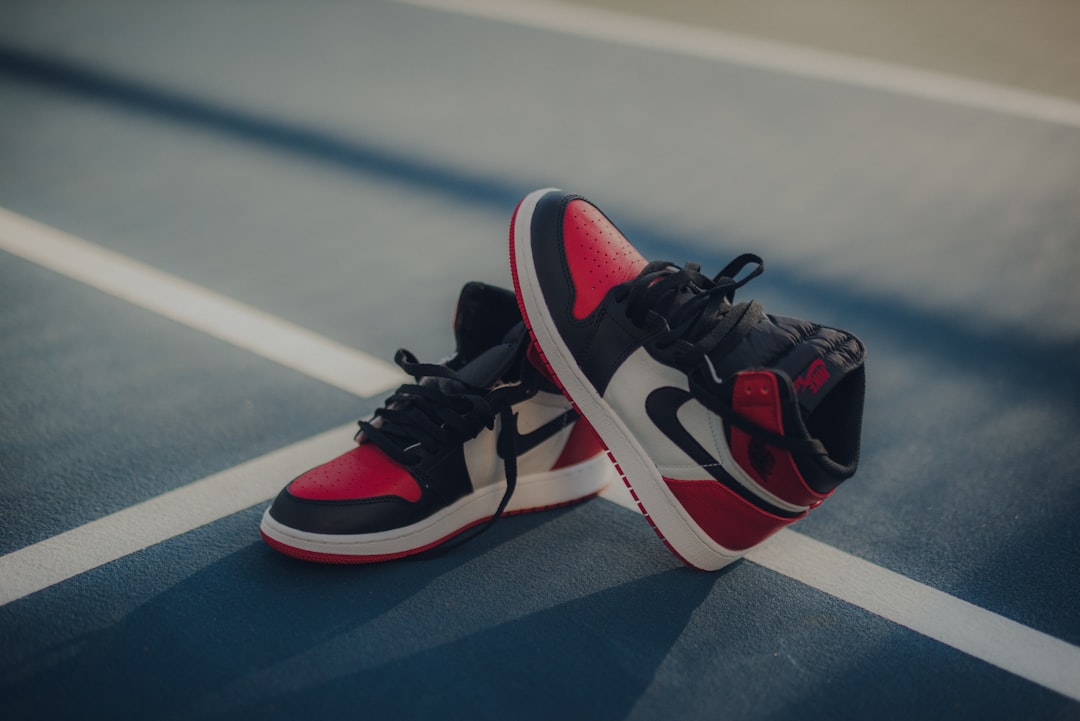
Streetwear sneaker care starts after every wear, not after the shoes look bad. Wipe down midsoles and uppers, knock dirt off the outsole, and let the pair air out before storing them. If you wear your sneakers regularly, insert shoe trees or stuff them with clean paper so the shape doesn’t collapse overnight. A consistent wipe-down routine keeps grime from becoming embedded, which is one of the biggest reasons pairs age poorly. For a broader look at how collectors think about preserving value, the logic behind collectibility and resale value is surprisingly relevant: the cleaner the object stays, the stronger the long-term story.
Know your materials
Leather, suede, nubuck, mesh, knit, and patent finishes all require different handling. Leather can usually handle a damp cloth and mild cleaner, while suede and nubuck need a dry brush, eraser, or specialty cleaner to avoid blotching. Mesh and knit shoes trap dirt in the weave, so a soft brush and light cleanser work best. Never soak a pair unless the brand specifically recommends it, because water can weaken adhesives and warp materials.
Rotate your pairs
Rotation is one of the easiest ways to extend sneaker life. Wearing the same pair every day compresses cushioning, traps moisture, and accelerates sole wear, especially if you walk a lot or live in a humid climate. A rotation of at least three pairs is ideal: one pair in wear, one pair resting, and one pair reserved for weather or travel. If you’re deciding how to keep your collection fresh while building outfits, think of it like planning a wardrobe around a smart outfit suggestions framework: the right rotation keeps the whole system working better.
6. Storage Rules That Preserve Shape and Color
Control heat, light, and humidity
Direct sunlight is one of the fastest ways to ruin color. It fades black hoodies, yellows white midsoles, and weakens some fabrics over time. Store pieces in a cool, dry, dark space whenever possible, and avoid plastic bins that trap moisture unless you’re using silica packs or proper ventilation. If your closet gets damp, a dehumidifier can do more for resale value than any single cleaning product.
Use the right containers and support
For clothing, breathable garment bags are generally better than sealed plastic for long-term storage, especially for rare jackets, denim, and embellished pieces. Fold heavy knits instead of hanging them, since hanging can stretch shoulders and necklines over time. For sneakers, keep the original box if it’s in good shape, but don’t rely on a damaged box as your only protection. Acid-free tissue, shape inserts, and clean shelves help preserve form and reduce creasing.
Store by frequency, not just by category
The easiest way to care for a collection is to separate “frequent wear” from “archive” pieces. Active rotation items should be easy to reach, while deadstock or near-deadstock pieces should be boxed and labeled with purchase date, condition notes, and any cleaning history. This is the same kind of organization smart shoppers use when they’re comparing listings in a value-focused shopping guide: clarity helps you make better decisions later. If you can find a piece quickly, you’re less likely to mishandle it.
7. Simple Repair Solutions That Save Wearable Pieces
Fix small problems before they become expensive
Loose threads, minor hem separation, small scuffs, and early sole separation should be addressed quickly. A basic sewing kit can handle popped seams, missing buttons, and small tears, while sneaker glue and edge cleaners can rescue pairs that are starting to peel or discolor. The point isn’t to make the item “new” again; it’s to stabilize it and preserve the original look. Many items lose value not because of major damage, but because owners waited too long to intervene.
Use professional help for high-value pieces
If the item is expensive, rare, or heavily custom, it may be worth taking it to a tailor, cobbler, or specialized cleaner. This is especially true for designer collaborations, luxury-streetwear hybrids, and limited-edition pairs where a bad DIY attempt could destroy resale value. Professional repairs often look cleaner and age better than rushed home fixes. In collector terms, a discreet repair is better than a visible mistake.
Know what not to “fix”
Some signs of wear are normal and shouldn’t be aggressively altered if you plan to keep resale integrity. Over-whitening soles, overpainting logos, or using harsh adhesives can make a piece look artificial and lower buyer confidence. The best repair is the least invasive one that solves the problem. If you’re unsure, document the issue first, then research the material and the original construction before touching it.
8. Protecting Pieces During Travel, Events, and Everyday Wear
Travel with a packing system
When you’re traveling, pack streetwear with the same care you’d use for valuables. Roll soft items to prevent deep fold lines, use a separate shoe bag for sneakers, and keep white pieces away from darker items that may transfer dye. If you’re bringing a fit for a trip or an event, pack a mini stain pen, a cloth, and a small deodorizer. The best travel kit is compact, organized, and ready for quick problem-solving, much like a well-planned parcel-tracking workflow that reduces surprises.
Weather is part of the outfit equation
Rain, snow, and city grime can all wreck a pristine look fast. Waterproofing sprays can help on appropriate materials, but always test first and choose formulas compatible with suede, nubuck, or textile uppers. If you know a day will involve bad weather, switch to a beat-up pair or a less fragile outfit. The smartest collectors don’t force archive pieces into every situation.
Wear with intention, not fear
Care is not about never wearing your clothes. In fact, the best way to keep limited edition streetwear relevant is to wear it thoughtfully, then clean and store it correctly afterward. If a piece only lives in a box, you might preserve condition, but you also lose the style value that made you want it in the first place. The goal is balance: enjoy the piece, but manage the wear like a collector managing a portfolio.
9. A Practical Maintenance Schedule for Collectors
After every wear
Let garments air out, brush off loose debris, and inspect for stains, spills, or odor. Wipe sneakers, insert shoe trees, and keep them away from heat sources. This simple five-minute habit prevents dirt from setting and reduces the need for aggressive cleaning later. Consistency is more powerful than occasional deep cleans.
Weekly and monthly check-ins
Once a week, review active pieces for loose threads, minor discoloration, and fit changes. Once a month, rotate stored sneakers, recheck silica packs, and inspect boxes or garment bags for moisture. Seasonal swaps are the perfect time to re-evaluate what should be worn, stored, repaired, or sold. A healthy collection is a monitored collection.
Before resale
Clean everything carefully, photograph under natural light, and disclose any flaws honestly. Good maintenance cannot hide a defect forever, but it can ensure the item presents well and attracts better offers. If you bought a piece from a streetwear shop or a peer-to-peer platform, preserving the original packaging, tags, and receipts can also improve buyer trust. Documentation is part of value preservation.
10. The Streetwear Care Checklist: What to Do and What to Avoid
| Category | Best Practice | Avoid | Why it matters |
|---|---|---|---|
| Graphic tees | Cold wash inside out, air dry flat or hang carefully | Hot water, high heat drying | Protects print, shape, and color |
| Hoodies/sweats | Gentle cycle with similar colors | Overloading the washer | Reduces pilling and seam stress |
| Suede sneakers | Dry brush and use suede-specific cleaner | Soaking with water | Prevents blotches and texture damage |
| Leather sneakers | Soft cloth, mild cleaner, condition as needed | Harsh solvents | Preserves finish and flexibility |
| Storage | Cool, dry, dark, breathable containers | Sunlight, damp plastic bins | Prevents fading, mold, and shape loss |
Use this table as a quick decision tool whenever you’re unsure how to treat a piece. A little discipline now protects your collection later, and the best part is that the process becomes faster with repetition. Once your system is set up, maintenance stops feeling like extra work and starts feeling like part of the hobby.
11. FAQ: Limited-Edition Streetwear and Sneaker Care
How often should I wash limited-edition streetwear?
Wash only when needed. If a hoodie or tee has no visible stains and still smells fresh after airing out, you can often skip a wash and just spot clean. Overwashing wears down fabric, graphics, and fit over time. For wearable pieces, aim to wash after moderate use rather than after every single wear.
Is dry cleaning safe for streetwear?
Sometimes, but not always. Dry cleaning can be useful for structured garments or delicate materials, but some graphics, trims, adhesives, or dyes may react poorly to the process. Always check the label and ask the cleaner about the item’s construction before approving treatment. If the piece is highly collectible, test with caution and prioritize cleaners who understand fashion care.
How do I keep white sneakers from yellowing?
Keep them away from sunlight, dirt, and moisture when not in use. Clean them regularly, let them dry completely, and store them in a cool, dark place. Yellowing can happen naturally with age, but good storage and light upkeep slow the process significantly.
What’s the safest way to remove odors from hoodies and sneakers?
Airflow is the first step. Let items dry fully, then use odor absorbers like baking soda in a controlled manner or specialized fabric refreshers that are safe for the material. For sneakers, remove the insoles and allow everything to air separately. Avoid masking odors with heavy sprays, because that can trap moisture and make the problem worse.
Should I keep the original box and tags?
Yes, if possible. Original packaging, hangtags, and receipts can help verify authenticity and often improve streetwear resale value. Boxes should be stored clean, dry, and intact; crushed or damp boxes can hurt presentation. If you’re collecting for the long term, documentation matters almost as much as condition.
How do I know when a repair is worth it?
If the item is rare, expensive, or important to your wardrobe, a small repair is usually worth it. Loose stitching, minor sole separation, and small tears are often fixable at relatively low cost. If the damage is structural or the fix would visibly alter the item, consult a professional before making a decision.
12. Final Take: Care Is Part of the Hype
Collecting limited edition streetwear and sneakers is not just about getting the drop. It’s about preserving the piece so it keeps looking good, wearing well, and holding value over time. A solid care routine protects print quality, fabric structure, material finish, and buyer confidence if you ever decide to sell. That is especially important in a market where rare pieces can move quickly across a streetwear marketplace and condition often separates average listings from premium ones. In other words: the care process is part of the collection.
If you want your wardrobe to stay sharp, think in systems: clean gently, store correctly, rotate often, and repair early. Use maintenance as a way to protect both your style and your investment. And when you’re ready to add the next piece, choose with the same mindset—whether you’re browsing a trusted marketplace, following a drop calendar, or building a wardrobe from the most relevant urban fashion brands. The best collections don’t just look good on day one; they still look good years later.
Pro tip: Keep a simple spreadsheet or note with purchase date, size, material, cleaning history, and repair notes for each high-value item. That record makes future care easier, improves resale transparency, and helps you spot patterns in what wears out fastest.
Related Reading
- Skip the Canned Air: How a $24 Cordless Electric Air Duster Pays for Itself - A smart add-on for keeping shelves, boxes, and display areas dust-free.
- What Yeti’s Sticker Strategy Teaches Shoppers About Collectibility and Resale Value - A collector mindset article that maps well to limited-release streetwear.
- How Content Creators Can Use Parcel Tracking to Build Trust and Engagement - Useful for documenting shipments and maintaining buyer confidence.
- Designing Data Platforms for Ethical Supply Chains: Traceability and Sustainability for Technical Apparel - A deeper look at product traceability and modern apparel systems.
- Membership Comparison Guide: What You Really Get for Your Dojo Fee - A practical framework for evaluating value and long-term ownership.
Related Topics
Marcus Hale
Senior Streetwear Editor
Senior editor and content strategist. Writing about technology, design, and the future of digital media. Follow along for deep dives into the industry's moving parts.
Up Next
More stories handpicked for you

Layering Masterclass: Building Functional Streetwear Outfits for Any Climate

AI and Authenticity: Streetwear Creators Standing Out in the Digital Era
Sneaker Collabs Decoded: What Drives Demand and How to Spot the Best Pairs

Essential Accessory Pairings to Level Up Any Streetwear Outfit

Small is the New Big: The Rise of Local Streetwear Brands
From Our Network
Trending stories across our publication group

Authenticity 101: Spotting Real vs. Fake Limited Edition Streetwear

Capsule Streetwear: Building a Small Closet with Big Impact

Influencer Insights: Collaborations That Are Shaping Streetwear Culture Today

The Ultimate Streetwear Fit Guide: Find Your Signature Silhouette

Audiobook Influences: How Listening Shapes Streetwear Culture
